

Plant identification is one of the most important wilderness survival skills a person can learn. Whether hiking, camping, hunting, or preparing for emergencies, the ability to recognize edible, medicinal, and useful plants can provide food, medicine, and materials when other resources are unavailable. However, proper identification is critical because many beneficial plants have toxic look-alikes. A mistake can result in serious illness or even death. For this reason, survival experts emphasize learning local plant species long before they are needed in an emergency.
When identifying edible plants, begin by observing the entire plant rather than focusing on a single feature. Examine the leaves, stems, flowers, fruit, seeds, growth pattern, and habitat. Many edible plants have poisonous relatives that look similar at first glance. Learning multiple identifying characteristics reduces the chance of mistakes. Carrying a regional field guide and practicing identification during regular outdoor activities can help build confidence and accuracy.
Leaves are often one of the easiest features to study. Pay attention to leaf shape, arrangement, edges, and texture. Some edible plants have smooth-edged leaves, while others may have serrated or lobed leaves. Note whether leaves grow opposite each other on the stem or alternate along the stem. These details can help distinguish safe species from harmful ones. Never assume a plant is edible simply because it resembles a familiar garden vegetable.
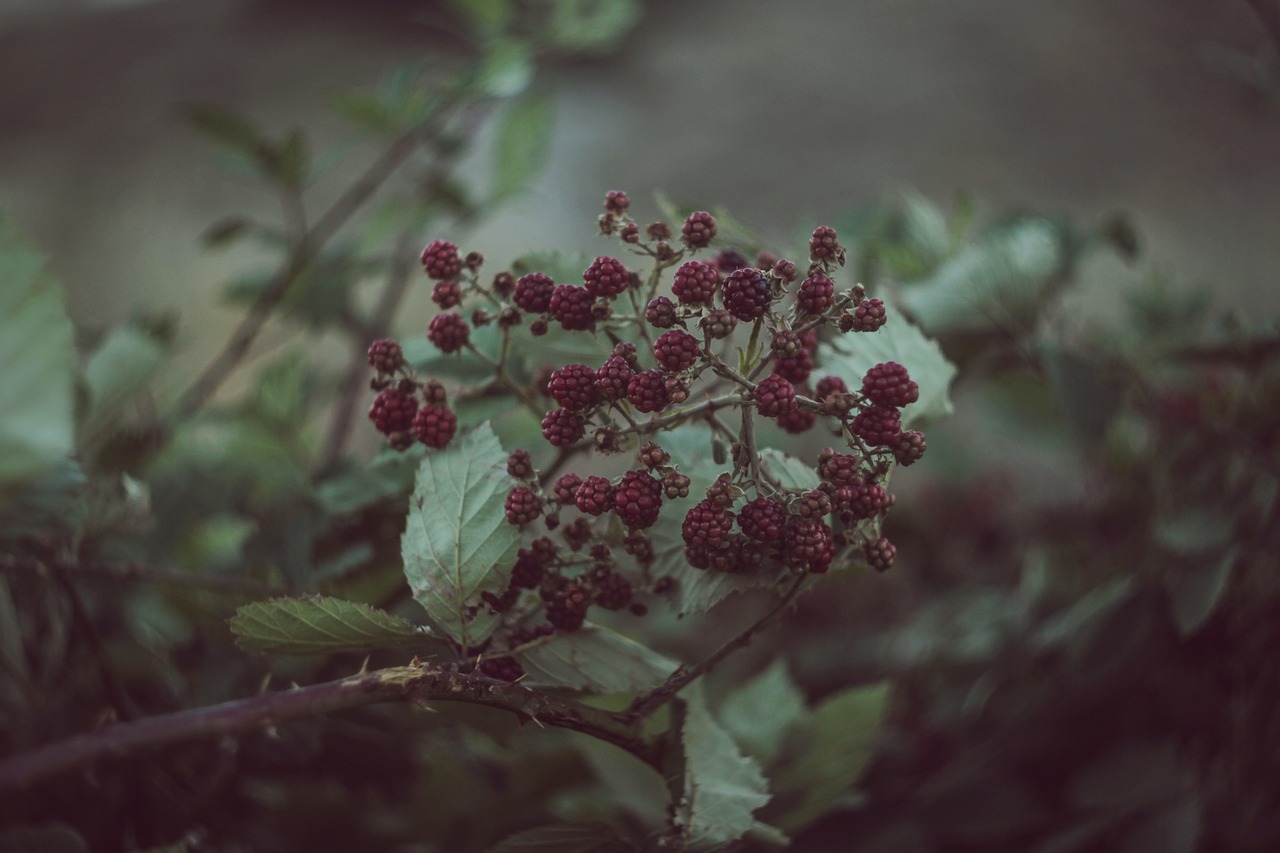
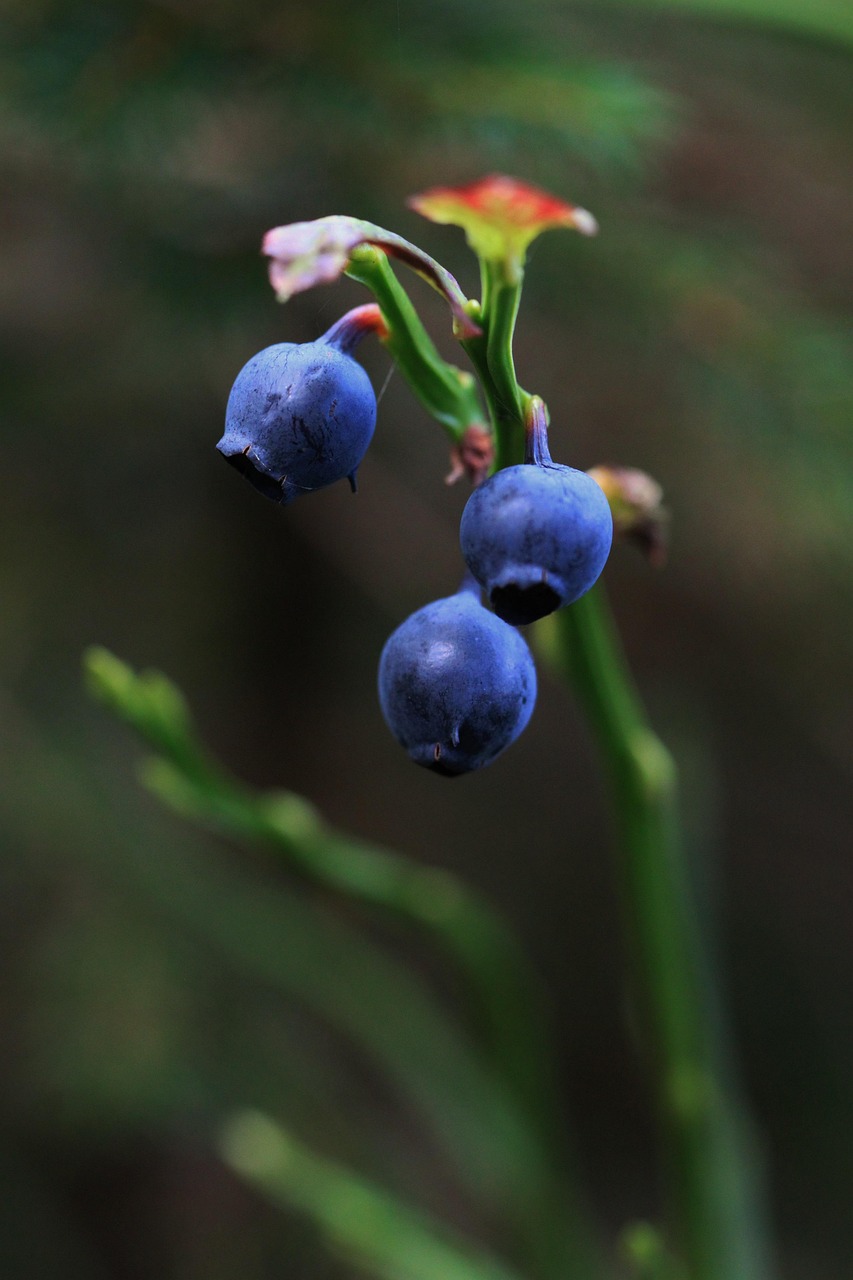
Berries and fruits can be valuable food sources, but they require extra caution. Some wild berries are highly nutritious, while others are dangerously toxic. Observe the color, size, cluster pattern, and shape of the fruit. Avoid consuming any berry unless you can positively identify the species. Brightly colored berries are not automatically poisonous, but many toxic plants produce attractive fruits designed to attract animals for seed dispersal. Positive identification is always more important than appearance.
Roots, tubers, and underground plant parts can provide substantial calories in a survival situation. Wild onions, cattails, and certain edible tubers have been used for centuries as food sources. When examining roots, identify the entire plant above ground before digging. Some poisonous plants possess roots that resemble edible species. Smell can also provide clues; for example, wild onions typically have a distinct onion scent. If the smell is absent, do not assume the plant is safe.
Medicinal plants have played a significant role in human health throughout history. Many modern medicines originated from compounds found in plants. In the wild, properly identified medicinal plants may help treat minor injuries, digestive issues, inflammation, or discomfort. However, medicinal use requires the same level of caution as foraging for food. An incorrectly identified medicinal plant can be harmful rather than beneficial.
When searching for medicinal plants, pay attention to traditional identifying features such as leaf shape, flower structure, and habitat. Certain plants are known for soothing skin irritations, while others may be used for teas or poultices. Learn which part of the plant is traditionally used, as medicinal compounds may be concentrated in leaves, roots, bark, or flowers. Never assume that because a plant is edible, all parts of it are safe for medicinal use.
Habitat can provide valuable clues during identification. Some plants grow only in wetlands, while others prefer dry fields, forests, mountain slopes, or desert environments. Knowing where a plant naturally grows can help confirm its identity. For example, plants commonly found along streams may differ significantly from those growing in open grasslands. Understanding local ecosystems can narrow down identification possibilities and improve accuracy.
One useful safety principle for beginners is to avoid plants with characteristics commonly associated with toxicity. These may include milky sap, strong bitter odors, umbrella-shaped flower clusters, or unfamiliar beans and seeds. While these characteristics do not guarantee a plant is poisonous, they should encourage extra caution. Never rely on old survival myths such as watching what animals eat, as many animals can safely consume plants that are harmful to humans.
Ultimately, plant identification is a skill that combines observation, study, and experience. The more time spent learning local species, the more valuable and reliable the skill becomes. Proper identification can provide emergency food, natural medicine, cordage, shelter materials, and other resources that increase self-sufficiency in the outdoors. At the same time, understanding the risks of misidentification helps ensure that foraging remains safe and beneficial. A well-trained outdoors person views every plant not merely as vegetation, but as a potential resource that must first be correctly identified before it is ever used.