
How to Get Started Selling Fishing Equipment Online Through a 100% Dropship Model
1. Getting Started With Fishing Equipment Dropshipping
Selling fishing equipment online can be an attractive business opportunity for entrepreneurs who want to enter the outdoor recreation market without purchasing and storing large amounts of inventory. A 100% dropship model allows an online fishing gear business to display products for sale while having a supplier handle inventory, order fulfillment, and shipping. Instead of buying hundreds of fishing rods, reels, tackle boxes, lures, fishing tools, and accessories in advance, the retailer can list products online and purchase them from a supplier after receiving a customer’s order. This significantly reduces the amount of money required to get started.
2. How Dropshipping Works
The basic dropshipping process is relatively simple. First, an online retailer establishes a relationship with a fishing equipment supplier or wholesale distributor. The retailer then selects fishing gear from the supplier’s catalog and places those products on an ecommerce website. When a customer purchases fishing equipment from the website, the retailer collects the customer’s payment and submits the order to the dropship supplier. The supplier pulls the product from its warehouse, packages it, and ships it directly to the customer. The retailer does not have to physically handle the fishing gear.
3. The Retailer’s Role in Dropshipping
Although the supplier handles fulfillment, the online retailer is still responsible for building and operating the business. This includes creating the website, selecting fishing equipment and fishing gear to sell, writing product descriptions, establishing retail prices, processing customer service requests, marketing the business, and managing returns according to the supplier’s policies. In other words, dropshipping eliminates much of the inventory burden, but it does not eliminate the need to operate a professional ecommerce business. Successful fishing equipment dropshipping requires good product selection, competitive pricing, effective marketing, and excellent customer service.
4. What Is a Distributor?
A distributor is a company that purchases, stocks, and distributes products from manufacturers or brands to retailers and other businesses. Rather than selling only individual products to consumers, distributors typically operate within the supply chain between manufacturers and retailers. A fishing equipment distributor may carry hundreds or thousands of products from multiple manufacturers. Depending on the distributor, its catalog could include fishing rods, reels, fishing line, hooks, lures, terminal tackle, nets, coolers, tackle storage, clothing, electronics, tools, and other fishing gear.
5. What Does a Wholesale Distributor Do?
A wholesale distributor purchases products in volume and makes those products available to retailers, dealers, ecommerce businesses, sporting-goods stores, and other commercial customers. Wholesale distributors can provide an important connection between fishing equipment manufacturers and online retailers. Some wholesale distributors also provide dropshipping services. This means the retailer can use the distributor’s inventory without purchasing large quantities ahead of time. Before signing up, an entrepreneur should determine whether the distributor actually supports dropshipping, whether there are account fees or minimum purchases, how orders are submitted, and how shipping and returns are handled.
6. Finding Fishing Equipment Suppliers
Finding dependable suppliers is one of the most important steps when starting a fishing gear dropshipping business. Look for established fishing equipment distributors, sporting-goods wholesalers, fishing brands, and specialty suppliers that have a strong reputation for accurate inventory and dependable fulfillment. A good supplier should provide clear wholesale pricing, current product information, shipping policies, return procedures, and dealer requirements. If possible, work with suppliers that maintain warehouses in the United States if your primary customers are American anglers. Domestic fulfillment can potentially reduce shipping times and make customer service easier.
7. What Does “Become a Dealer” Mean?
You will frequently encounter the phrase “become a dealer” when researching fishing equipment manufacturers and distributors. Becoming a dealer generally means receiving authorization from a manufacturer, brand, or distributor to sell its products commercially. The requirements vary considerably. Some companies may require a legitimate business, resale documentation, a website, a minimum opening order, or an agreement to follow specific pricing policies. Others may have very simple dealer applications. Being an authorized dealer can give an ecommerce business access to legitimate products, wholesale pricing, product information, and sometimes marketing materials.
8. Becoming a Fishing Gear Dealer
If you want to become a fishing gear dealer, start by making a list of manufacturers and wholesale distributors whose products fit your business. Visit their websites and look for sections such as “Dealer Information,” “Wholesale,” “Become a Dealer,” “Dealer Application,” or “Wholesale Account.” You may be asked to provide your business name, website address, business contact information, tax documentation, and information about where you intend to sell the products. Do not assume that every fishing equipment company allows unrestricted online sales. Some brands may have rules concerning marketplaces, advertising, pricing, geographic territories, or the use of their trademarks and product images.
9. Choosing Products for a Fishing Gear Store
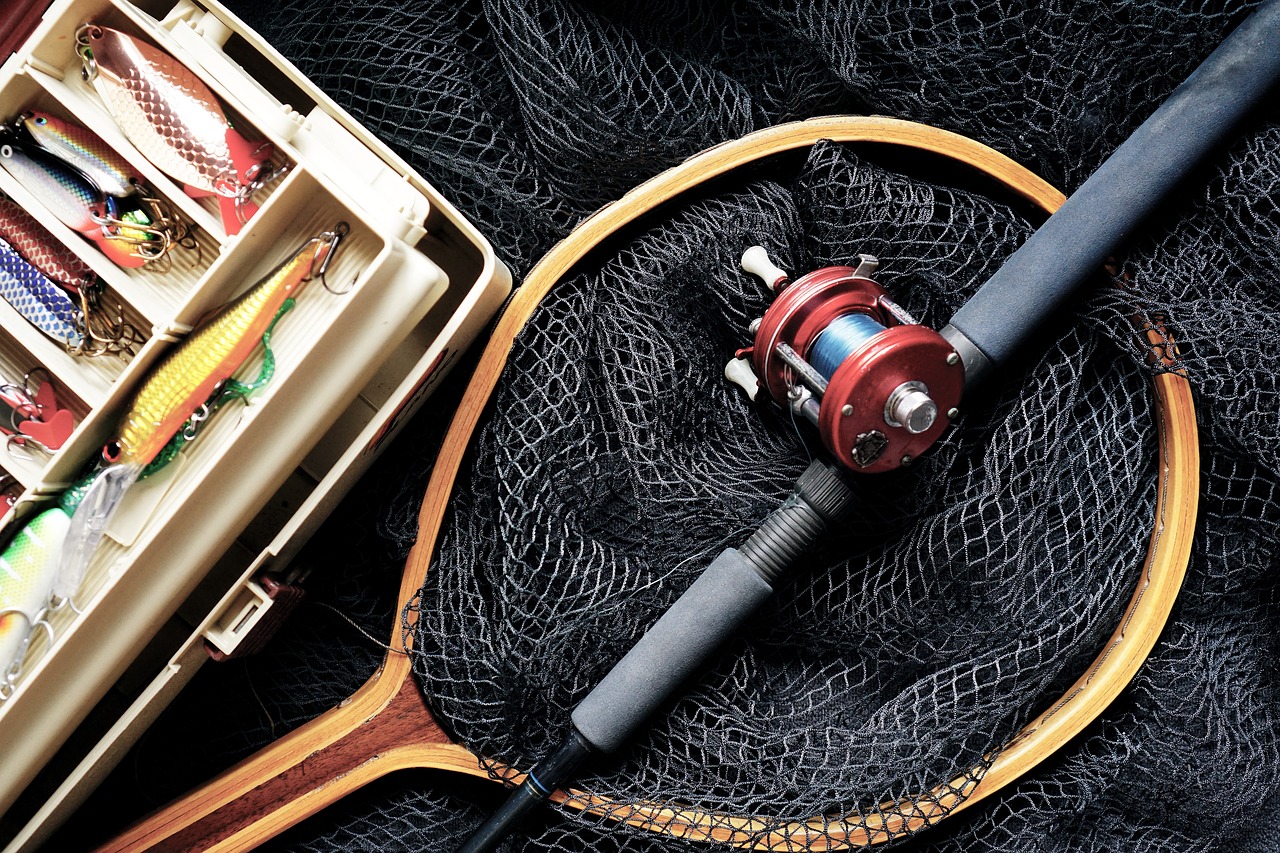
Product selection can make a major difference in the success of a fishing equipment website. Consider offering a broad assortment of fishing gear while concentrating your marketing efforts on products with strong demand and reasonable shipping costs. Fishing rods and reels are obvious categories, but they can be more difficult to ship because of their size and potential for damage. Smaller fishing equipment such as lures, hooks, fishing line, terminal tackle, pliers, scissors, tackle boxes, bait-storage products, fishing tools, and accessories can be easier to ship and may provide opportunities for repeat purchases.
10. Understanding Fishing Gear Margins
The difference between your wholesale cost and retail selling price is your gross margin before expenses. For example, if a fishing gear supplier charges $40 for a product and your online store sells it for $59.99, the difference is $19.99 before payment-processing costs, advertising, refunds, marketplace fees, taxes, and other expenses. Do not select products based solely on their apparent markup. Shipping costs can dramatically change the economics of a sale. A product that looks highly profitable on paper may become much less attractive after shipping and advertising expenses are considered.
11. Build a Professional Fishing Equipment Website
A professional ecommerce website gives your fishing gear business a home base that you control. Your website should have straightforward navigation, secure checkout, clear shipping information, easy-to-understand return policies, and detailed product descriptions. Organize fishing equipment into useful categories such as fishing rods, fishing reels, fishing tackle, lures, fishing line, hooks, terminal tackle, fishing tools, tackle storage, saltwater fishing gear, freshwater fishing gear, and fishing accessories. High-quality descriptions can also help search engines understand what your website sells.
12. Use Content Marketing to Attract Anglers
One of the best long-term strategies for an online fishing equipment business is publishing useful content. Instead of making every page a sales pitch, create articles that answer questions anglers are actually searching for. Examples include “How to Choose a Fishing Rod,” “Spinning Reel vs. Baitcasting Reel,” “Best Fishing Gear for Beginners,” “What Fishing Tackle Should Every Angler Carry?” and “How to Organize a Tackle Box.” Helpful content can bring visitors to your website through search engines while establishing your business as a knowledgeable source of information about fishing equipment and fishing gear.
13. Free Search Engine Optimization
Search engine optimization, commonly called SEO, can provide valuable exposure without requiring you to pay for every visitor. Optimize product pages and articles around relevant phrases such as fishing equipment, fishing gear, fishing tackle, fishing supplies, online fishing store, and specific product names. Use descriptive page titles, informative headings, original product descriptions, useful internal links, and naturally written content. Avoid filling pages with repetitive keywords simply to manipulate search engines. The goal should be to create genuinely useful pages that satisfy what an angler is looking for.
14. Use Social Media for Free Promotion
Social media can provide another source of free exposure for a fishing gear business. Create business profiles on platforms where anglers spend time and regularly publish useful fishing content. You can share fishing tips, product demonstrations, rigging information, seasonal advice, photographs, short videos, and links to helpful articles on your website. Rather than constantly posting “Buy Now,” focus on becoming a useful resource for anglers. A post explaining how to select the right fishing lure can generate more interest than a simple advertisement for that same lure.
15. Participate in Fishing Communities
Fishing forums, online communities, Facebook groups, Reddit communities, and other discussion platforms can provide opportunities to connect with anglers. However, businesses should follow each community’s rules. Many groups prohibit direct advertising or promotional links. Instead of joining communities solely to promote products, participate by providing legitimate information and answering questions when appropriate. When promotional links are permitted, make sure they are relevant and useful. Building credibility within a community can be much more effective than repeatedly posting advertisements.
16. Use YouTube and Short-Form Video
Video can be particularly effective for selling fishing gear because many products are easier to understand when demonstrated. Consider creating videos showing how different fishing equipment works, how to organize tackle, how to select a fishing reel, or how to rig particular types of fishing gear. You can create videos using products available from your suppliers, provided you have appropriate rights to use their images, video, or product information. Original demonstrations and educational videos can potentially generate free traffic through YouTube and other video platforms.
17. Take Advantage of Free Business Listings
Create a business profile on appropriate online directories and mapping services. These listings can help people discover your fishing equipment business when searching for fishing gear or related products. Make sure your business name, website, contact information, description, and categories are accurate and consistent. Depending on your business model and eligibility, local search listings can be particularly useful if you also have a physical business location or serve a specific geographic market. Even an online retailer should investigate legitimate free business directories that are relevant to its target audience.
18. Email Marketing Can Be Low Cost
Building an email list can provide another affordable way to generate repeat business. Offer visitors something useful in exchange for voluntarily subscribing, such as a fishing checklist, seasonal fishing guide, tackle-selection guide, or educational newsletter. Once someone subscribes, provide useful fishing information rather than sending constant sales messages. You can announce new fishing equipment, seasonal promotions, educational articles, and useful fishing tips. An email list can become especially valuable because previous customers may return for fishing line, lures, hooks, tackle, accessories, and other consumable or replacement products.
19. Start Small and Test Your Fishing Gear Catalog
One of the advantages of a 100% dropship model is the ability to test products without purchasing large quantities of inventory. Instead of immediately listing thousands of fishing products, consider starting with carefully selected categories and monitoring which products receive traffic, inquiries, and sales. Evaluate your supplier’s fulfillment performance as you go. Pay attention to shipping times, inventory accuracy, damaged products, backorders, customer complaints, and return rates. If a particular category performs well, expand it. If another category produces little interest or creates fulfillment problems, consider reducing or removing it.
20. Building a Long-Term Fishing Equipment Dropshipping Business
A successful fishing equipment dropshipping business is ultimately about much more than putting fishing gear on a website. You need dependable suppliers, competitive pricing, accurate product information, professional customer service, effective SEO, useful content, and consistent promotion. Understanding how a distributor, wholesale distributor, and authorized dealer relationship works can help you choose better suppliers and build a stronger business. The 100% dropship model can reduce the need for inventory investment, while free online marketing through SEO, social media, fishing communities, video, content marketing, and email can help generate traffic. With careful product selection and a focus on serving anglers rather than simply listing products, an online fishing gear store can develop into a valuable ecommerce business.